
Best Modelia Alternatives for Shopify Fashion Product Photos
If Modelia is not the right fit, the best alternative depends on the kind of Shopify fashion workflow you need to run every week. The main Shopify-relevant Modelia competitors for fashion merchants include TinyLemon, Modelize, SellerPic, Lensia, Photoroom, and Picjam, but they solve different jobs. The useful comparison is not just feature count; it is workflow fit, PDP readiness, bulk production, and whether you need polished on-model product photos or a broader creative toolkit.
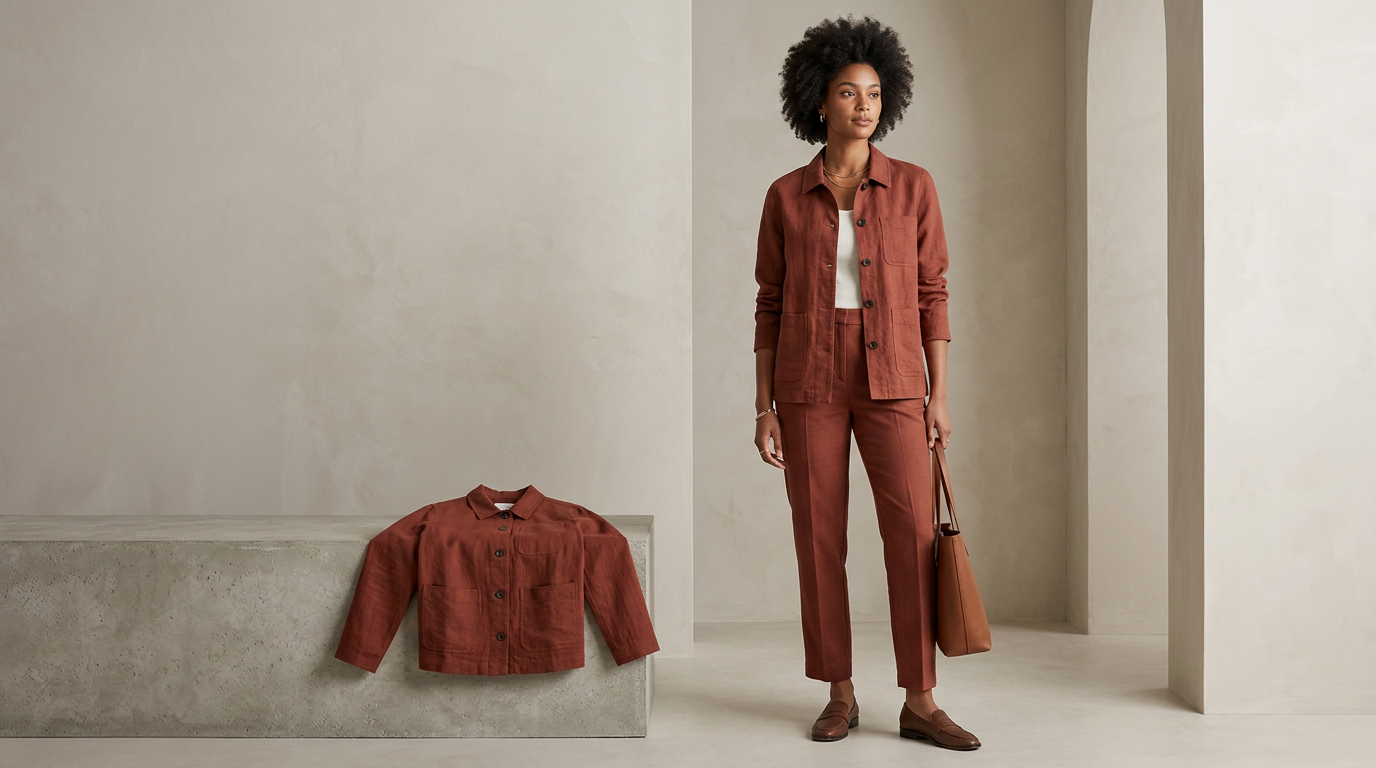 A polished on-model ecommerce image can start from a simple apparel input when the workflow is built for product-page use.
Modelia is a credible baseline in this category. Its own Shopify integration page and Shopify App Store reviews position it around AI fashion images and videos, use of Shopify product photos, and creative features like consistent characters and outfit combinations. That makes it worth comparing against other tools before you switch.
If you are still mapping the broader category, start with more Shopify fashion visual workflow guides and the Tiny Lemon guide to keeping model photos consistent across Shopify product pages.
What Modelia is best at
Before looking at alternatives, it helps to define what merchants are actually replacing.
According to Modelia's Shopify integration page, the app is designed for fashion brands that want to create AI-generated product images and videos inside a Shopify workflow using existing product images. WearView's AI fashion model generator roundup also describes Modelia as a Shopify app known for consistent characters, outfit combinations, and video support.
Based on those sources, Modelia is most relevant when you want:
- a Shopify-connected AI fashion workflow
- image and video creation in one platform
- consistent model personas across multiple products
- outfit-combination and styling flexibility
- room for broader creative experimentation beyond standard PDP images
That broader scope can be a strength. It can also be a reason some merchants keep looking. WearView's Modelia alternatives guide says some fashion teams consider other options because they want a tighter fashion-catalog workflow rather than a wider toolkit that includes more general image utilities.
How to compare Modelia competitors for a Shopify fashion workflow
If you are evaluating Modelia competitors for Shopify, use the same lens your team uses to publish products. The decision should center on whether the tool fits your merchandising workflow, helps produce PDP-ready images, supports catalog volume, and gives you the right amount of creative breadth.
1. Shopify workflow fit
For some teams, native Shopify connection matters because it reduces manual uploading and asset handoff. Modelia, Modelize, Lensia, and SellerPic are all positioned around Shopify-connected workflows, though the exact depth differs by product.
2. PDP readiness versus creative breadth
Some tools are better suited to repeatable product-page imagery. Others are built more like broader creative studios that also cover video, banners, social assets, or more exploratory editing. Neither is automatically better; the question is which one matches your actual job.
3. Bulk catalog production
If you are launching a collection or refreshing a large catalog, bulk generation matters more than one impressive demo image. Modelize and Lensia both explicitly mention bulk workflows in their Shopify listings, while Photoroom also emphasizes scale and batch editing.
4. Realism and cleanup workload
AI apparel imagery still needs review. MindStudio's overview of AI image generation for Shopify notes that fabric draping and facial details can still look off depending on the use case. That means the real test is not whether a homepage example looks good, but how many outputs your team can publish without extra cleanup.
5. Consistency across the catalog
A tool can be impressive on a single hero SKU and still create problems across a collection. Fashion merchants should check whether outputs feel visually consistent enough for PDPs, collection pages, launch emails, and paid creative. For a deeper operating system, use the guide to consistent Shopify model photos.
What matters most before you switch
Before changing tools, run a small pilot on real products rather than choosing from marketing pages alone.
A practical test is 6 to 12 SKUs:
- one simple top or tee
- one textured or draped garment
- one structured item like denim or tailoring
- one colorway-heavy product
- one product type you publish in volume
Have the people who actually approve and publish imagery review the results. For many brands, that means a founder, merchandiser, designer, or ecommerce manager rather than only the person testing prompts.
Watch for operational friction, not just image quality:
- How many outputs need manual retouching?
- Can your team keep model and background consistency across related products?
- Is it easy to get assets into Shopify product listings?
- Who owns review and approval before publishing?
- Does the app reduce steps, or just move the same work somewhere else?
Best Modelia alternatives for Shopify fashion brands
TinyLemon
TinyLemon is built for Shopify fashion brands that want polished on-model product photos from flat-lay images so they can launch products faster and improve storefront visuals without running a traditional photoshoot.
That positioning makes it relevant for merchants whose main job is straightforward product-image production for PDPs, launches, email, ads, and social rather than a wider creative studio workflow. In other words, if your decision lens is flat-lay input, on-model output, and faster merchandising turnaround, TinyLemon belongs in the comparison set for Shopify-oriented Modelia competitors.
If you are evaluating this workflow specifically, the guide to turning flat-lay photos into studio-style Shopify images is a useful next read.
Best for
- indie and growth-stage Shopify fashion brands
- teams working from flat-lay product images
- merchants who want stronger storefront visuals without organizing a full photoshoot
Why a merchant may choose it instead of Modelia
- the workflow is aligned to turning flat-lay apparel imagery into polished on-model outputs
- the use case is narrower and more product-photo specific than a broad creative toolkit
- it matches brands that care most about getting launch and PDP visuals produced faster
Tradeoff
If you specifically want outfit-combination features, broader creative utilities, or image-plus-video experimentation in one platform, Modelia's published positioning may be closer to what you need.
SellerPic
SellerPic is a strong alternative if you want Shopify-connected image generation plus social-commerce content.
WearView's roundup describes SellerPic as a native Shopify app for sellers who want model photos plus lip-sync video for TikTok and Instagram, and says it can pull product images from Shopify and push edited versions back with one click. SellerPic's own site presents the product as a broader creative and publishing workflow rather than only a PDP image tool.
Best for
- brands that want Shopify workflow plus social video output
- teams producing both PDP imagery and short-form social content
- merchants who want a wider content pipeline
Why a merchant may choose it instead of Modelia
- social-commerce video is more central to the workflow
- Shopify-connected image movement is part of the pitch
- broader downstream content creation matters as much as PDP imagery
Tradeoff
If your priority is tightly controlled apparel PDP consistency, a social-heavy platform may be broader than necessary.
Modelize
Modelize is especially relevant for merchants who care most about bulk image generation directly inside Shopify.
Its Shopify App Store listing says merchants can create on-model, lifestyle, studio, and flat-lay product photos directly in Shopify, generate images in bulk across the catalog, use presets, and automatically publish outputs back to product listings.
Best for
- Shopify stores with larger catalogs
- teams that want bulk generation tied closely to Shopify Admin
- merchants who want preset-driven production and publishing
Why a merchant may choose it instead of Modelia
- bulk catalog production is a primary requirement
- Shopify-native publishing is clearly emphasized
- operations teams may prefer presets and catalog-scale generation over broader styling features
Tradeoff
If the main reason you like Modelia is consistent personas, outfit combinations, or more experimental creative flexibility, Modelize appears more operational than style-directed in its listing.
Lensia
Lensia is worth evaluating if you want one Shopify app for product photos, AI model images, videos, and other campaign assets.
According to its Shopify listing, Lensia generates AI product photos, AI model photos, and AI videos, and also supports banners, hero images, social content, bulk photo creation, and applying similar aesthetics across products.
Best for
- brands that want broader asset creation inside Shopify
- teams producing PDP images plus ads, banners, and social content
- merchants who want creative breadth without leaving Shopify
Why a merchant may choose it instead of Modelia
- the app is positioned around multiple asset types inside Shopify
- broader campaign content matters, not just product pages
- bulk creation and shared aesthetics are part of the offer
Tradeoff
More asset types can also mean more variation to review. If your team mainly wants a simple, repeatable apparel PDP workflow, wider capability is not automatically an advantage.
Photoroom
Photoroom is a sensible Modelia alternative if you want a broader photo-operations toolkit with virtual models included.
Its virtual model page emphasizes scaling fashion photography, managing hundreds of on-model images for Shopify and Amazon, and editing outputs in bulk with Batch.
Best for
- brands already doing high-volume product-image operations
- teams that need editing and standardization as much as generation
- merchants selling across multiple channels, not only Shopify PDPs
Why a merchant may choose it instead of Modelia
- batch editing and broader product-photo operations are a core part of the workflow
- the toolkit extends beyond model generation alone
- multichannel image management may matter more than fashion-only specialization
Tradeoff
If you want a more fashion-specific workflow centered on apparel imagery, Photoroom may feel broader and less specialized than some category-specific options.
Picjam
Picjam is relevant for fashion brands that want on-model images plus a wider creative engine.
On its site, Picjam says fashion merchants can upload flat lays, ghost mannequins, or hanger photos to generate on-model photos, videos, and UGC, and that direct Shopify integration is included.
Best for
- fashion brands that want multiple apparel-friendly input types
- teams interested in on-model photos plus video or UGC-style assets
- merchants looking for a broader fashion visual workflow
Why a merchant may choose it instead of Modelia
- the positioning is fashion-specific
- the input options are relevant to apparel teams
- the platform extends beyond standard PDP stills
Tradeoff
If your team mostly wants a narrow path from flat-lay image to consistent product-page visual, a larger creative system can introduce extra choices and review work.
Which option fits which merchant job?
Use this as a practical short list.
Choose Modelia if you want:
- a Shopify-connected AI fashion app
- consistent characters across multiple garments
- outfit combinations and styling flexibility
- image plus video creation in one platform
Choose TinyLemon if you want:
- on-model product photos from flat-lay images
- a workflow built around faster product launches and better storefront visuals
- a narrower product-photo use case rather than a broad creative suite
Choose SellerPic if you want:
- Shopify-connected imagery plus social-commerce video
- a content workflow that extends into TikTok or Instagram output
Choose Modelize if you want:
- bulk generation across a large Shopify catalog
- presets and automatic publishing back into Shopify listings
Choose Lensia if you want:
- one Shopify app for product photos, AI videos, banners, and hero assets
Choose Photoroom if you want:
- batch editing and broader product-photo operations
- virtual models as part of a larger image workflow
Choose Picjam if you want:
- fashion-specific on-model generation from flat-lay, ghost mannequin, or hanger inputs
- broader outputs such as video and UGC-style content with Shopify integration
Final take
Modelia is a reasonable option for fashion merchants who want a Shopify-connected creative tool with consistent characters, outfit combinations, and video. But merchants comparing Modelia competitors for Shopify should choose based on workflow fit, not just feature breadth.
If your team mainly needs catalog-friendly on-model PDP images, options like TinyLemon or Modelize may be more relevant to test first. If you need social-heavy output, SellerPic is worth a closer look. If you want broader creative production inside or alongside Shopify, Lensia, Photoroom, and Picjam each bring a different angle.
If your team mainly needs cleaner on-model product visuals from flat-lay apparel images, try TinyLemon on a small set of real SKUs and compare the review workload, consistency, and publish speed against your current process.
Frequently asked questions
What is the best Modelia alternative for Shopify fashion brands?
It depends on the workflow you need. For merchants focused on on-model PDP imagery from flat-lay inputs, a narrower product-photo workflow may fit better. For bulk Shopify production, Modelize is notable. For social-heavy content, SellerPic may be more relevant. For broader creative asset generation, Lensia, Photoroom, or Picjam may be worth testing.
Is Modelia good for Shopify stores?
Yes. Published sources position Modelia around Shopify integration, AI-generated fashion images and videos, use of existing Shopify product photos, and features such as consistent characters and outfit combinations.
Which Modelia competitor is best for bulk catalog production?
Modelize is one of the clearest options for bulk catalog production because its Shopify App Store listing explicitly emphasizes bulk generation across the catalog and automatic publishing back to Shopify product listings.
What should a fashion brand test before switching from Modelia?
Run a pilot on 6 to 12 real SKUs and review more than image quality alone. Check realism, consistency across products, retouching workload, who approves outputs, and how easily the assets move into your Shopify publishing workflow.